
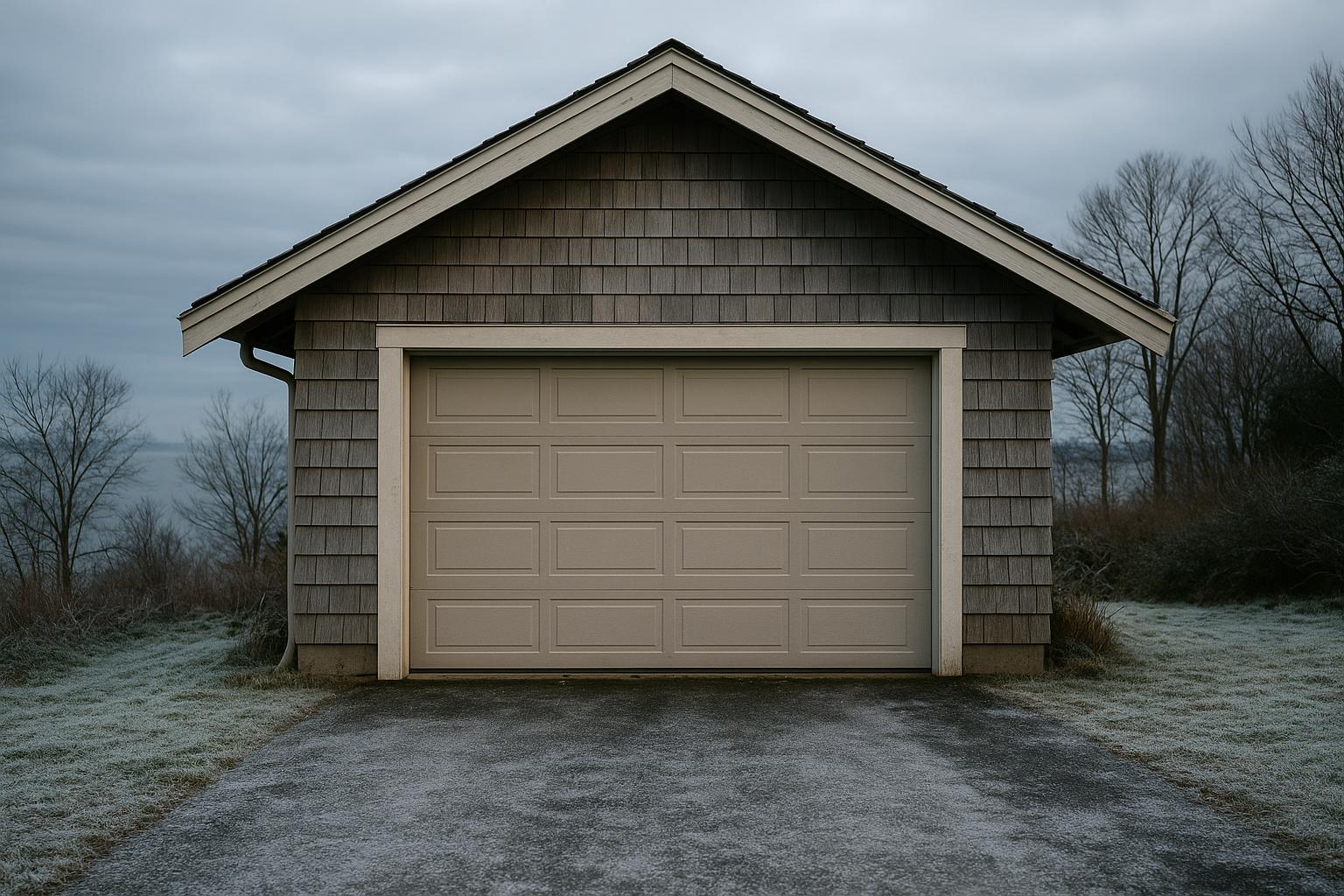
When the Temperature Drops, Your Garage Door Feels It Too
Ocean City may be known for its beautiful summers, but anyone who lives here year-round knows that winter brings its own set of challenges. Temperatures along the Eastern Shore can dip below freezing, and when they do, your garage door is one of the first things to let you know about it.
Whether your door refuses to open, moves painfully slowly, or makes grinding noises it never made before, cold weather is often the culprit. The good news is that most cold-weather garage door problems are preventable — and fixable — once you understand what's going on.
Common Reasons Your Garage Door Struggles in Cold Weather
1. Metal Components Contract
Garage doors are made up of dozens of metal parts — springs, tracks, rollers, and hinges. When temperatures drop, metal contracts. This contraction can cause parts to bind, stiffen, or fall slightly out of alignment. The result? A door that feels heavier than usual, moves unevenly, or refuses to budge at all.
This is especially common in older garage doors where parts have already experienced years of wear and tear. Even a small amount of contraction can push a borderline component past its limit.
2. Hardened or Dried-Out Lubricant
The lubricant on your garage door's moving parts can thicken or harden in cold weather. When this happens, rollers don't glide smoothly along the tracks, springs don't flex as easily, and hinges resist movement. You might hear squeaking, grinding, or popping sounds when the door operates — all signs that the lubrication has failed.
Standard lubricants aren't always rated for low temperatures. If you haven't had your garage door maintained recently, this is one of the most likely causes of cold-weather problems.
3. Weatherstripping Freezes to the Ground
The rubber weatherstripping along the bottom of your garage door is designed to seal out drafts, rain, and pests. But when moisture collects underneath it and the temperature drops below freezing, that seal can literally freeze to the ground. Attempting to force the door open in this state can tear the weatherstripping or damage the door itself.
This is a particularly common issue in Ocean City and surrounding areas like Berlin and West Ocean City, where coastal humidity keeps surfaces damp even in winter.
4. Garage Door Springs Lose Tension
Torsion and extension springs are under constant tension, and cold weather can cause them to weaken or even break. A spring that was already nearing the end of its lifespan may snap on a cold morning without warning. If your garage door suddenly feels extremely heavy or won't open at all, a broken spring is a likely cause.
Important: Never attempt to replace garage door springs yourself. They are under extreme tension and can cause serious injury. This is always a job for a trained technician.
5. Your Garage Door Opener Struggles
Electric garage door openers have limits on how much force they can apply. When cold weather makes the door heavier or stiffer, the opener may not have enough power to lift it. Many modern openers have a safety feature that stops the motor if it detects too much resistance, which can make it seem like the opener has stopped working entirely.
In some cases, the issue is even simpler — dead batteries in your remote. Cold weather drains batteries faster, and a remote that worked fine yesterday may be unresponsive this morning.
How to Prevent Cold-Weather Garage Door Problems
Schedule Fall Maintenance
The best way to avoid getting stuck on a freezing morning is to have your garage door serviced before winter arrives. A professional maintenance visit includes lubricating all moving parts with cold-rated lubricant, inspecting springs for wear, checking the balance and alignment of the door, and testing the opener's force settings.
For homeowners in Ocean City, Salisbury, and Ocean Pines, we recommend scheduling maintenance in late October or November — before the first hard freeze hits.
Use a Silicone-Based Lubricant
If you want to do some preventive care on your own, apply a silicone-based garage door lubricant to the springs, rollers, hinges, and tracks. Silicone-based products resist thickening in cold weather far better than petroleum-based alternatives. Avoid using WD-40 as a long-term lubricant — it's a solvent, not a true lubricant, and it can actually attract dust and grime over time.
Keep the Bottom Seal Clear
To prevent your weatherstripping from freezing to the ground, keep the area where the door meets the floor clean and dry. You can also apply a thin layer of silicone spray or cooking oil to the bottom seal to prevent ice from bonding to it. If you notice the seal is cracked or deteriorating, have it replaced before winter — a damaged seal won't protect your garage from cold drafts or water intrusion.
Test Your Door's Balance
You can check your garage door's balance by disconnecting the opener (pull the red emergency release handle) and manually lifting the door halfway. A properly balanced door should stay in place. If it slides down or feels extremely heavy, the springs may need adjustment. This is a clear sign to call a professional before the problem gets worse in cold weather.
Replace Aging Springs Proactively
Garage door springs have a finite lifespan, typically rated for around 10,000 cycles. If your springs are more than seven to ten years old, consider having them replaced before they fail on the coldest day of the year. Proactive replacement is safer, less stressful, and often less expensive than an emergency service call.
What to Do If Your Garage Door Is Frozen Shut
If you wake up to a garage door that won't open, here's what to do — and what not to do:
- Don't force it. Repeatedly hitting the opener button can burn out the motor or strip the gears.
- Check for ice along the bottom seal. If the door is frozen to the ground, use a heat gun or hair dryer to gently melt the ice. Never use boiling water — it can refreeze quickly and make the problem worse.
- Try opening the door manually. Disengage the opener and carefully try to lift the door by hand. If it won't budge or feels dangerously heavy, stop and call for help.
- Call a professional. If the door is stuck, making unusual noises, or a spring appears broken, it's time to call a garage door technician. Attempting DIY repairs on a malfunctioning door in freezing conditions is a recipe for injury.
Don't Let Winter Catch You Off Guard
Cold-weather garage door problems are frustrating, but they're almost always preventable with a little preparation. Whether you need a pre-winter tune-up, a spring replacement, or emergency service on a frozen morning, Ocean City Garage Door is here to help homeowners across Ocean City, Bishopville, and the entire coastal region.
We show up on time, diagnose the problem honestly, and get your door working again — no matter what the thermometer says. If your garage door has been giving you trouble or you want to get ahead of winter, give us a call. Your future self, standing in the warm garage on a freezing January morning, will thank you.